


MDF
Jiangsu Dilun International Trading Company is a woodworking company founded in Xuzhou in 2011 and moved to Nanjing in 2019. We specialize in exporting plywood panels, kitchen cabinets & bathroom vanities, and furniture hardware. Since 2011, our products have been popular in the North American and European markets.
Our fully-owned factories are located in the beautiful city of Jiangsu in China. The production facility covers an area of more than 10,000 square meters and we employ over 200 employees. We have the latest advanced production equipment, which enables us to produce high-quality products at competitive prices.
At Jiangsu Dilun, we are committed to providing our customers with the highest quality wooden furniture and wood-based panel products. We strive to offer the best products at the most competitive prices. Our experienced staff is dedicated to providing our customers with the best possible service and value.
-
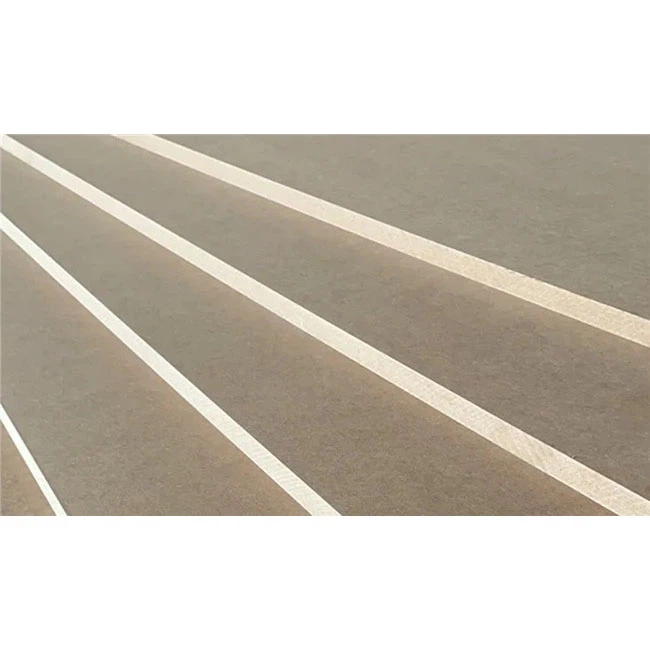
![9mm MDF No Filmed Face]() Add to Inquiry
Add to Inquiry -
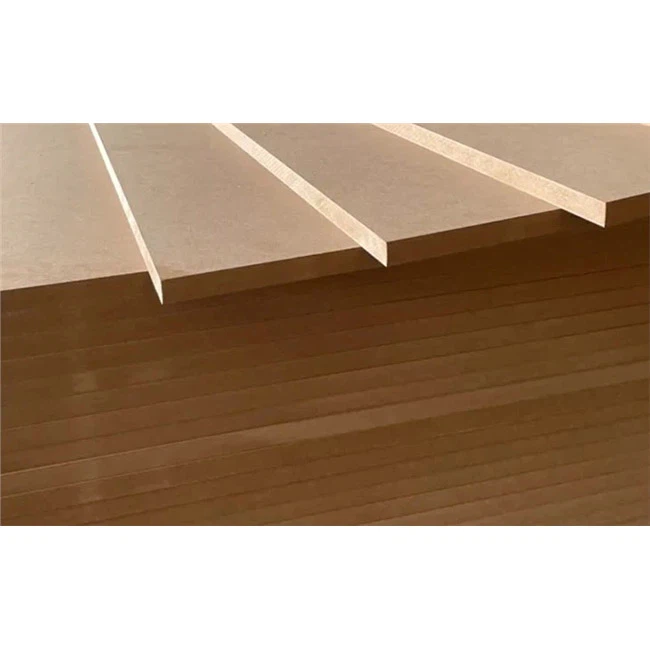
![12mm Natural MDF]() Add to Inquiry
Add to Inquiry -
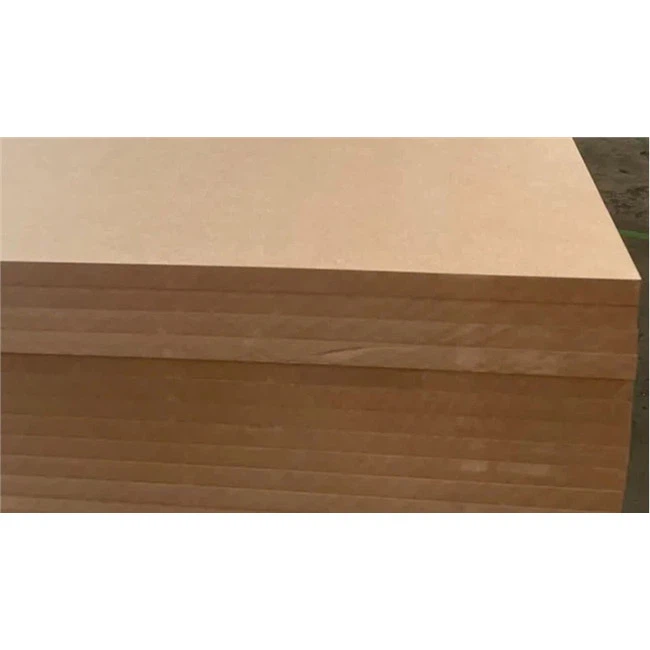
![15mm MDF Without Film]() Add to Inquiry
Add to Inquiry -
![18mm MDF Board]() Add to Inquiry
Add to Inquiry

Professional team
Jiangsu Dilun International Trading Company is a woodworking company. We specialize in exporting plywood panels, kitchen cabinets & bathroom vanities, and furniture hardware.
Quality control
Jiangsu Dilun International Trading Company is committed to quality and excellence. The company follows a stringent quality control system to ensure all products meet the highest standards.
Advanced equipment
We have the latest advanced production equipment, which enables us to produce high-quality products at competitive prices.
Custom service
We also specialize in custom-made furniture and panel products, allowing our customers to design the furniture of their dreams. Our team of experienced designers and craftsmen is always available to help you create the perfect piece for your home or office.
The basic overview of MDF is that it is a wood product created by breaking down both hardwood and softwood into wood fibres, which are then combined with wax and resin that form panels when extreme temperature and pressure are applied. This process is what makes MDF sheets so special. In fact, the special process is what allows MDF to be both stronger and much denser than particleboard! When it comes to timber, MDF is a bona fide heavyweight.
Benefits of MDF
Cost-effective and easily available:
MDF is produced in such a way that it is less expensive than genuine wood. You can acquire the look of real wood without spending much money. MDF is more affordable than plywood or any other type of wood. Also, MDF offers economic value because it is easily available and within everyone’s reach to buy it at no extra expense. It is also easy to find in any specific size opposite to oak, rosewood, maple etc.
High-density material:
MDF is a precisely engineered material so there is no grain in it. It has no splintering, scorching, or tear-out when cut with a router, scroll saw, band saw, or jigsaw. Hence it is easy to cut or drill without making damage as it is not a natural product. Its great density allows the equipment to be used on it.
MDF is strong:
MDF is a composite material of high quality and comprises of resins and wood fibres. To make dense and sturdy sheets, it is dried and pressed. Hence MDF, unlike wood, does not warp or crack as a result of this technique used in its production. Although it is made up of wood fibres, it can be used as a building material in the same way as plywood is used and it is also denser and stronger than particle board.
Stable, durable and sustainable:
MDF is a relatively stable product that requires less fixing during the time of its existence and it is also a long-lasting product that is sturdy , durable and has a good fire resistance rating.
Perfect for painting and layering:
MDF has a smooth, paint-friendly surface without grain, texture, or knots. MDF sheets will be hefty, smooth, and even, with a flat, paintable, or sealable surface. Unlike natural wood, MDF can be stained or painted easily. MDF panels can also be covered in laminates or wood veneers to give them a real-wood alike look. As a result, when it comes to appearance, MDF is the greatest replacement for real wood.
The best material for cabinetry:
Engineered wood has undeniable advantages for cabinet doors because of its flexibility. Cabinets can be composed of fibreboard and then finished with solid wood laminate on the top. Several varieties of MDF are moisture-resistant, which is important for kitchen and bathroom furniture.
Environment friendly:
MDF is produced in such a way that decreases virgin wood material costs. MDF is made entirely of plantation wood, ensuring that no trees are cut down in the process, making it environment friendly.
Say no to termites and insects:
MDF is a form of engineered wood that is made by glueing layers of wood fibre together and the glue used to make MDF can also helps as a termite inhibitor. As a result, we can say that MDF is resistant to termites, borer and fungus.
LOW VOC and formaldehyde emission:
MDF is completely safe for on-site and off-site use as they are eco-friendly, emitting very little formaldehyde. Secondly, MDF is neutral enough not to release any unwelcomed VOC’s (Volatile Organic Compounds) at room temperature in your house.
Types of MDF
Regular MDF
Regular MDF is composed of refined wood chips, and is typically denser and heavier than plywood. Regular MDF has lower modules of elasticity, meaning it is a very stiff material.
MDF ultra lite
MDF Ultra Lite has the same properties as regular MDF, but it is lighter in weight and less dense, making it easier to handle. MDF Ultra Lite is most used for non-structural applications where weight and density matters.
Colored MDF
Colored MDF has the same properties as regular MDF but it can provide designers, architects, and woodworkers with a colorful substrate to add personality to specific projects.
Moisture resistant
Moisture resistant MDF is designed for use in humid conditions. It Is best used in interior buildings where moisture is a concern, such as bathrooms and kitchens.
No added formaldehyde
MDF can be specified as NAF, meaning they have the lowest level of formaldehyde content. Formaldehyde is a chemical compound made up of hydrogen, oxygen and carbon; in large amounts it can be harmful for the environment.
Fire rated
Fire Rated MDF is developed specifically for situations where fire enhanced performance is required under building regulations. Fire Rated MDF will slow down the flame spread if a fire were to occur.
Exterior grade MDF
Exterior grade MDF is engineered with greater density and strength making them more durable than regular MDF. These panels are resistant to moisture, termites, and fungus.
Application of MDF


Making furniture
One of the most common uses for medium density fiberboard is to make low-cost furniture. If you've ever purchased a piece of flat-pack furniture, it's highly likely that it was constructed with MDF boards. This is because MDF boards are much easier to work with than solid wood and are also significantly cheaper to produce, lowering the overall cost of manufacturing. You can also easily paint the boards to make them look much nicer.
Cabinetry & shelving
MDF is also frequently used to construct interior cabinets and shelving, although how much of the cabinet is made of MDF sheets depends on the cabinet size. If it is smaller, the entire cabinet may be made of MDF sheets, whereas larger cabinets might be mainly constructed with solid wood but will have a door made of MDF boards. You'll also be able to build bathroom vanities using moisture-resistant MDF, as they can withstand the humidity.
Soundproofing
This might surprise many people, but MDF boards can effectively soundproof a space. Medium density fiberboard can stop sound waves from travelling much, and these sheets don't vibrate as much when in contact with many loud sounds. Many speaker production companies will use MDF sheets in speaker casing builds as they can absorb sound and don't vibrate inside the speaker casing.
Vapour repulsion
Although not completely waterproof, MDF boards can be used as an effective vapour barrier. It should be noted that this is only applicable to certain types of moisture resistant MDF (MR MDF) that have been manufactured with special resins. When these MDF boards are exposed to moisture and humidity, they can dry out without shrinking, rotting, or cracking. They become even more effective when supplemented with moisture-resistant paint and other vapour-repelling treatments.
Fire resistance
When you think of wood-based materials, you might only immediately expect them to be fire resistant. But there is a type of MDF designed to be fire retardant. Fire resistant MDF consists of special chemicals that prevent the board from combusting as the fire cannot take hold.
Flooring
MDF wood can also be used for flooring. Tile manufacturers often use MDF to produce wood effect laminates and tiles, especially when these tiles are made for areas with minimal foot traffic and moisture. This is because MDF panels are weaker than other woods, such as plywood or hardwood and wouldn't hold up well in high traffic or wet areas. MDF sheets are often also better used as underlayment, placed between the floor and subfloor, due to their effectiveness at insulation and soundproofing.
Process of MDF
Wood fiber preparation
The journey begins with raw wood materials, including wood chips, shavings, and sawdust. These materials are collected and processed to create wood fibers of uniform size and texture.
Pre-processing
The wood fibers undergo a refining process to ensure uniformity and desired characteristics. This may involve drying the fibers to the correct moisture content.
Blending and mixing
The refined wood fibers are mixed with resin binders and wax additives. These binders play a crucial role in holding the fibers together and providing stability to the final product.
Forming
The mixed wood fibers are spread out onto a forming line or conveyor belt. Pressure and heat are applied to compress the fibers into the desired shape and thickness. This process is known as hot pressing.
Cooling and sizing
The freshly formed MDF panels are cooled to solidify their structure. They are then cut and sized to the required dimensions, ready for further processing.
Surface finishing
MDF boards often undergo surface finishing processes to enhance their appearance and durability. This can involve sanding to create a smooth surface, and sometimes the addition of a laminate or veneer for aesthetics.
Quality control
Rigorous quality checks are performed at various stages of the manufacturing process to ensure that the MDF boards meet industry standards and specifications.
Final inspection and packaging
Once the MDF boards pass quality control, they undergo a final inspection. Approved boards are packaged and prepared for distribution to various industries and markets.
Keep the MDF board dry and clean frequently, do not wash it with a lot of water, and pay attention to avoid long-term local immersion of MDF board. If there are oil stains and stains on the MDF board, attention should be paid to timely removal. You can use household soft and neutral detergent and warm water for treatment, and it is best to use the special MDF board cleaning and protection liquid matching the MDF board to clean. Do not use caustic water, soapy water and other corrosive liquids to touch the surface of the MDF board, and do not use flammable materials such as gasoline and other high-temperature liquids to wipe the MDF board.
It is recommended to place the rubbing pad at the door to prevent dust particles from being brought into the door and damaging the MDF board; Overweight items should be placed smoothly; Do not drag furniture when moving, to lift the appropriate.
Please use household detergent to clean the stains and oil stains on the surface of the MDF board, and do not use a lot of water to clean the MDF board. When the surface of the MDF board is stained, dry it with a damp mop without dripping water. If stained with chocolate, grease, juice, drinks, etc., only with warm water and neutral detergent wipe. If it is contaminated by lipstick, crayon, ink, etc., it can be wiped gently with methanol or acetone.
In winter, attention should be paid to increasing the humidity on the surface of the MDF board, mopping the floor with wet cloth and appropriately increasing the surface humidity, which can effectively solve the gap and cracking of the MDF board. If cracks occur in individual positions, please inform the sales unit in time and fill the parts. After filling, the surface humidity should be appropriately increased to facilitate the recovery of the MDF board.
The MDF board should try to avoid the direct irradiation of strong sunlight and the long-term baking of high temperature artificial light source, so as to avoid the drying and aging of the surface of the MDF board in advance. In rainy season, close the Windows so as not to wet the MDF board. At the same time, attention should be paid to indoor ventilation, indoor moisture distribution, maintaining normal indoor temperature is also conducive to the extension of the life of the MDF board.
How to Choose the Right MDF
Thickness
One of the first factors to consider when buying MDF sheets is the thickness required for your project. MDF sheets are available in various thicknesses, ranging from 2mm to 25mm or more. Thicker MDF sheets offer greater strength and stability, making them suitable for structural applications, while thinner sheets are ideal for projects requiring flexibility and lightweight materials.
Density
The density of MDF sheets plays a crucial role in determining their strength, durability, and machining properties. Higher-density MDF sheets are denser and more rigid, offering better screw-holding capacity and resistance to warping and bending. Lower-density MDF sheets are lighter and easier to work with but may be less durable and prone to damage.
Size and dimensions
Consider the size and dimensions of MDF sheets required for your project, taking into account the overall dimensions and cutting requirements. MDF sheets are typically available in standard sizes, such as 4x8 feet, but can be cut to custom sizes to suit specific project needs. Ensure that you choose MDF sheets that are large enough to accommodate your project without excessive waste or cutting.
Surface finish
MDF sheets come in a variety of surface finishes, including raw, primed, and veneered options. Raw MDF sheets have a natural wood fiber surface and require additional finishing, such as painting, staining, or laminating, to achieve the desired appearance. Primed MDF sheets come pre-coated with a primer, making them ready for painting or other finishes. Veneered MDF sheets feature a thin layer of wood veneer bonded to the surface, providing a natural wood grain appearance.
Moisture resistance
Consider the level of moisture resistance required for your project when selecting MDF sheets. Moisture-resistant MDF, also known as MR-MDF, is specially formulated to withstand exposure to moisture and humidity, making it suitable for use in high-moisture environments such as kitchens, bathrooms, and outdoor applications. Standard MDF may be prone to swelling and damage when exposed to moisture, so choose MR-MDF for projects requiring enhanced moisture resistance.
Environmental considerations
Take into account environmental factors when buying MDF sheets, including the use of eco-friendly materials and sustainable practices. Look for MDF sheets that are certified by reputable organizations such as the Forest Stewardship Council (FSC) or the Sustainable Forestry Initiative (SFI), indicating that the wood fibers used in their production are sourced from responsibly managed forests.
FAQ
We're well-known as one of the leading mdf suppliers in China. Please rest assured to wholesale cheap mdf made in China here from our factory. All customized products are with high quality and competitive price. Contact us for more details.
mdf veneer plywood, small wall cabinet kitchen, 4mm veneer plywood