


Bathroom Vanity
Jiangsu Dilun International Trading Company is a woodworking company founded in Xuzhou in 2011 and moved to Nanjing in 2019. We specialize in exporting plywood panels, kitchen cabinets & bathroom vanities, and furniture hardware. Since 2011, our products have been popular in the North American and European markets.
Professional Team
Jiangsu Dilun International Trading Company is a woodworking company. We specialize in exporting plywood panels, kitchen cabinets & bathroom vanities, and furniture hardware.
Quality Control
Jiangsu Dilun International Trading Company is committed to quality and excellence. The company follows a stringent quality control system to ensure all products meet the highest standards.
Advanced Equipment
We have the latest advanced production equipment, which enables us to produce high-quality products at competitive prices.
Custom Service
We also specialize in custom-made furniture and panel products, allowing our customers to design the furniture of their dreams. Our team of experienced designers and craftsmen is always available to help you create the perfect piece for your home or office.
-
![24 inch floating vanity with sink]()
24 inch floating vanity with sink
Add to Inquiry -
![30 Inch White Floating Vanity]() Add to Inquiry
Add to Inquiry -
![30 Inch Floating Vanity with Vessel Sink]()
30 Inch Floating Vanity with Vessel Sink
Add to Inquiry -
![36 Inch Floating Vanity with Sink]()
36 Inch Floating Vanity with Sink
Add to Inquiry -
![42 Inch Floating Bathroom Vanity]()
42 Inch Floating Bathroom Vanity
Add to Inquiry -
![48 Inch Floating Bathroom Vanity]()
48 Inch Floating Bathroom Vanity
Add to Inquiry -
![24 inch Bathroom Vanity with Sink]()
24 inch Bathroom Vanity with Sink
Add to Inquiry -
![30 inch gray bathroom vanity]() Add to Inquiry
Add to Inquiry -
![36 inch gray bathroom vanity]() Add to Inquiry
Add to Inquiry -
![48 Inch White Bathroom Vanity with Top]()
48 Inch White Bathroom Vanity with Top
Add to Inquiry -
![48 inch bathroom vanity with sink]()
48 inch bathroom vanity with sink
Add to Inquiry -
![48 inch white bathroom vanity]() Add to Inquiry
Add to Inquiry


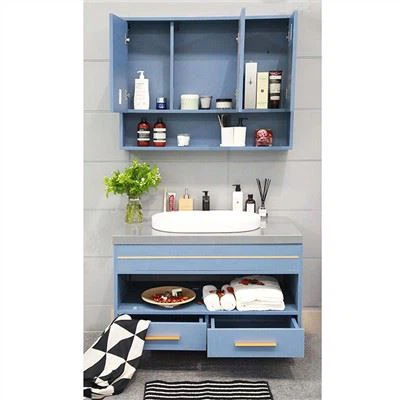


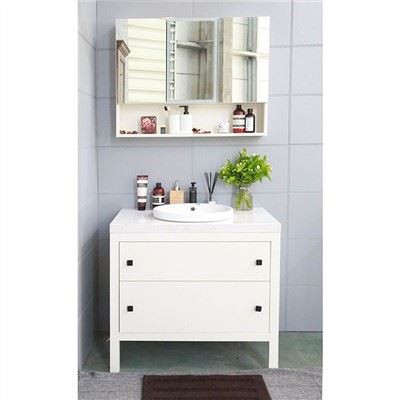
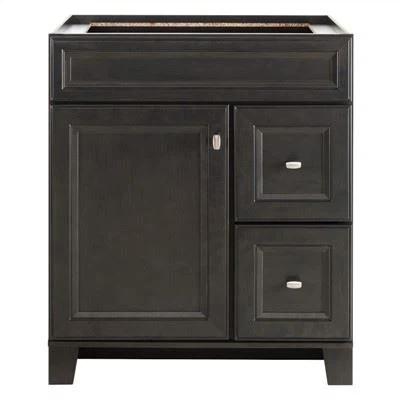

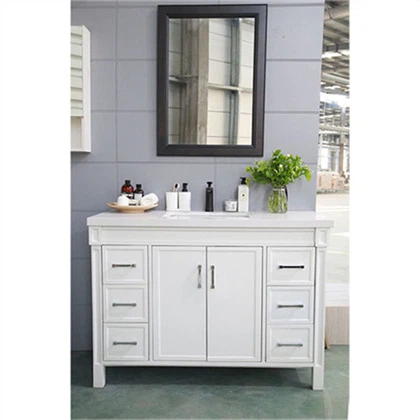
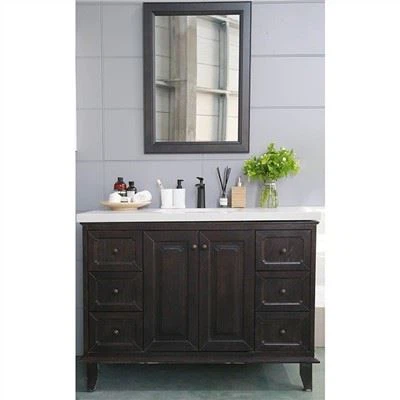
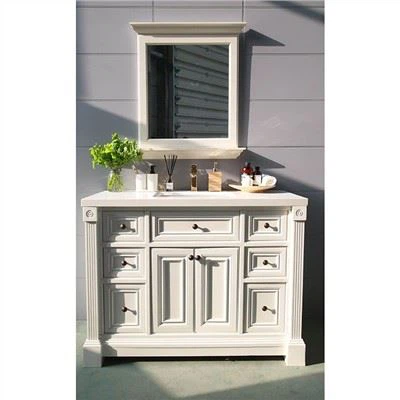
A bathroom vanity is much more than a cabinet that holds the sink. It’s the place where you wash your hands and face, shave, style your hair, apply makeup and brush your teeth. It’s also where you store all the implements for your daily routine, as well as other bathroom supplies and cleaning essentials.
In some bathrooms, it’s the most prominent fixture. In others, it’s tucked discreetly into a corner. It can sit directly on the floor or hang from a wall.
In its simplest form, the vanity encloses the sink plumbing and may or may not have doors and drawers.
Style:
Bathroom vanities come in a wide range of styles, so you can choose one that fits your taste and complements your bathroom’s overall design. A stylish vanity can add visual appeal and character to your bathroom.
It can increase space
A benefit that a custom bathroom vanity can provide is added space, and it can be done in a variety of ways. For instance, this accessory can be customized with extra cabinets for storage purposes to keep your space clean. It can also be installed just above the bathroom floor, providing extra space underneath for storage or simply making your space feel more open. This is especially appealing for homeowners with less space to work with or for those who have bathrooms with a more constrained layout.
To create a simple and fresh aesthetic
Custom bathroom vanities are also beneficial when it comes to design. Their straight edges and rectangular or square shape can give your home a simplistic and fresh aesthetic. If you aren’t looking for as minimal of a design, the good news is that these vanities can be customized with the cut and shape that meet your needs and tastes! They can also serve as the focal point of your bathroom space and become a beautiful accent piece that will catch the eye, regardless of the design.
Maintenance becomes easier
Bathroom vanities provide the added benefit of making the upkeep of your vanity and entire bathroom space much easier. With the extra storage and free space, there is more room to clean your bathroom and more importantly less clutter to pick up after on a regular basis.
Types of Bathroom Vanities
The conventional vanity is a rectangular cabinet attached to a wall, featuring a large open space underneath the sink to house the plumbing. It typically has doors to keep the plumbing and storage shelves hidden and drawers for toiletries. Some of the more unconventional ones include:
Wall-mounted vanities
These are attached to the wall rather than resting on the floor. They are a great choice for small bathrooms or for creating a modern, minimalist look. Wall mounted vanities can also make it easier to clean the floor, as there is less furniture to work around.
Floor Mounted Vanities
Floor mounted vanities are independent units that stand on the floor. They can be placed anywhere, so they are a good choice for larger bathrooms. A wide range of styles is available for freestanding vanities, from traditional to modern. Choose the design that best suits the decor of your home.
Double vanities
As the name suggests, double vanities have two sinks, making them a practical choice for shared bathrooms or couples with busy morning routines. Double vanities also provide plenty of storage space and can be either wall-mounted or freestanding.
Corner vanities
Corner mounted vanities are designed to fit into the corner of a bathroom, making them a great space-saving solution. They typically have a triangular shape and can be either wall-mounted or freestanding.
Floating vanities
Similar to wall-mounted vanities, floating vanities are attached to the wall but appear to be suspended in mid-air. They create a modern and minimalist look and can also make the bathroom feel larger by allowing the floor to be seen beneath the vanity.
Your bathroom vanity is not just a functional fixture; it's a statement piece that merges beauty with utility. With our expertise in artisanal craftsmanship and dedication to quality, we'll help you explore the most popular materials,help you discover the best bathroom vanity material for your unique space.
A bathroom vanity comprises two main components, a vanity top and a base cabinet. Bathroom vanities can be exposed to different environments, especially in highly used main bathrooms where family members shower or bathe. We believe in using sturdy, well-made materials to stand up to humidity.
Natural Wood Bathroom Vanities
The most popular bathroom vanity material is natural wood. Natural wood offers unmatched beauty and functionality. If you’re looking for a modern style, we’re seeing more designers and homeowners pair light wood bathroom vanities with light colors and other natural textures to create a unique look.
Although each wood species has its own unique characteristics and aesthetics, we typically use popular hardwood varieties including Walnut, Oak, and Birch.

Designing Your Ideal Bathroom Vanity
Once you clearly understand your needs, it’s time to start designing your ideal bathroom. Consider the overall style you want to achieve and any specific features or details you want to include.
Color scheme: Choose colors that complement each other and create a cohesive look. Consider the mood you want to create in your bathroom, whether a calm, relaxing, or bright, energizing space.
Lighting: Consider natural and artificial lighting to create a bright, inviting space. Add dimmer switches or task lighting for functionality and ambiance.
Materials: Choose durable and easy-to-maintain materials that fit your style and budget. Consider materials such as tile, stone, wood, glass, and metal.
Storage: Include enough storage space to keep your bathroom organized and clutter-free. Consider adding built-in storage solutions such as custom bathroom vanities, shelves, cabinets, and niches.
Layout: Consider the layout of your bathroom to ensure optimal flow and functionality. Consider the placement of fixtures such as the toilet, shower, and sink to maximize space and usability.
1. Consider Who Is Going to Be Using It, and How
Your vanity choice should be guided by the people who are going to be using it and the type of things they will be using it for.
You also need to consider how you will be using your vanity. If you are someone who likes to do their makeup and hair, you’ll want more counter space and storage to accommodate supplies.
We’ve created many vanities over the years, and we’ll be able to help create a design that works for every person and every use.
2. Find Out Where Your Plumbing Is Located
Plumbing will most likely be the part of your bathroom that dictates where your vanity is going to go. It costs time and money to make changes to your plumbing.
This means that your plumbing will also have a say when it comes to choosing a style. For example, a floor-mounted vanity can make use of the typical plumbing layout. By contrast, a wall-mounted vanity might require moving the plumbing hookups for your sink.
Moving the plumbing is not impossible; it depends on your needs and the budget you have set aside for the project. If you decide to work with the existing plumbing setup, it will help you narrow down your vanity styles.
3. Look At Potential Obstacles to Determine Placement and Size
You can always change bathroom designs. That’s a little harder. This limits the places you can put your vanity. Things you want to consider when determining placement include:
Your vanity shouldn’t make navigating the rest of your bathroom a bother. If you’re constantly bumping into it trying to avoid something else, you’re going to get frustrated, not to mention bruised.
4. Decide How Much and What Kind of Storage You Want
Before we get too excited about the storage, you have to look at the space and sizing you settled on in step three.
Depending on the space and what you want to store, there may have to be some compromises made. For example, you may be unable to accommodate three columns of drawers and have room for the sink plumbing in the space available. You may have to mix and match. Don’t worry; we’re great at creating a design that works no matter what.
5. Determine Your Sink Style
You’ve probably spent a lot of time determining what faucet and taps you want, but don’t forget that they are only one part of the sink. You also need to carefully consider the bowl and how it will impact the look and utility of your vanity.
With so many sink styles available, it can be a little overwhelming to pick the one you’ll like the most. The best way to approach it is to decide how much counter space you want and how much should be allotted to the sink.
6. Pick Out Materials That Will Handle Wear and Tear and Look the Way You Want
Your vanity is going to come in contact with a lot of substances during its life. Water, spilled makeup, and cleaning products, just to name a few. It’s also going to be in a more humid room, thanks to those steaming hot showers we love so much.
And, while you may like the look of one material or finish, it may not be waterproof or could be susceptible to staining or scratches. So, consider wood veneers, laminate, or thermofoil—all materials that will hold up well in the bathroom environment, and they look good, too.
7. Custom vs. Prefab Bathroom Vanities
Custom vanities are always impressive. They are often made from the finest materials and fit perfectly into a room because they are specifically made for the space.
How to Clean and Maintain Your Bathroom Vanity
A bathroom vanity is an essential fixture in any bathroom. It serves as a functional space for grooming and storage. However, regular use and exposure to moisture can cause damage to the vanity’s appearance and function.
Regular cleaning is necessary to maintain the appearance and function of your 48 inch bathroom vanity. We recommend cleaning bathroom sinks once a week to prevent dirt and grime buildup.
Step 1: Clear the Surface
If you’re looking for the best way to clean your bathroom sink, start by clearing the surface of your vanity. Take out any bathroom accessories like soap dispensers and toothbrush holders. This will make it easier for you to give the surface a thorough cleaning.
Step 2: Dust and Wipe Down
Using a soft cloth, dust the surface of your vanity to remove any loose dirt or debris. Then, use a damp cloth or sponge to clean the surface. Be sure to use a mild cleaning solution to avoid damaging the vanity. Avoid using abrasive cleaners or scrubbing pads as they can scratch the surface of the vanity.
Step 3: Clean the Sink and Faucet
The sink and faucet are prone to soap scum buildup and water spots. To clean them, apply a small amount of cleaning solution to a soft cloth or sponge and wipe down the sink and faucet. Rinse with water and dry with a clean cloth.
Step 4: Clean the Mirror
The mirror is an essential part of your bathroom vanity. To clean it, spray a glass cleaner onto a soft cloth and wipe down the mirror. Avoid spraying the cleaner directly onto the mirror to prevent damage to the vanity.
Our Factory
Jiangsu Dilun International Trading Company is a woodworking company founded in Xuzhou in 2011 and moved to Nanjing in 2019. We specialize in exporting plywood panels, kitchen cabinets & bathroom vanities, and furniture hardware. Since 2011, our products have been popular in the North American and European markets.

Certificates

FAQ
We're well-known as one of the leading bathroom vanity suppliers in China. Please rest assured to wholesale cheap bathroom vanity made in China here from our factory. All customized products are with high quality and competitive price. Contact us for more details.
33 Inch Sink Base Cabinet, corner kitchen cabinet wall, hickory veneer plywood