


Birch Plywood
Jiangsu Dilun International Trading Company is a woodworking company founded in Xuzhou in 2011 and moved to Nanjing in 2019. We specialize in exporting plywood panels, kitchen cabinets & bathroom vanities, and furniture hardware. Since 2011, our products have been popular in the North American and European markets.
Our fully-owned factories are located in the beautiful city of Jiangsu in China. The production facility covers an area of more than 10,000 square meters and we employ over 200 employees. We have the latest advanced production equipment, which enables us to produce high-quality products at competitive prices.
At Jiangsu Dilun, we are committed to providing our customers with the highest quality wooden furniture and wood-based panel products. We strive to offer the best products at the most competitive prices. Our experienced staff is dedicated to providing our customers with the best possible service and value.
-
![5.2mm Birch Plywood]() Add to Inquiry
-
![9mm Birch Plywood]() Add to Inquiry
-
![12mm Birch Plywood]() Add to Inquiry
-
![15mm Birch Plywood]() Add to Inquiry
-
![18mm Birch Plywood]() Add to Inquiry
-
![Uv Coated Birch Plywood]() Add to Inquiry
-
![white birch plywood]() Add to Inquiry


Why choose us?
Professional team
Jiangsu Dilun International Trading Company is a woodworking company. We specialize in exporting plywood panels, kitchen cabinets & bathroom vanities, and furniture hardware.
Quality control
Jiangsu Dilun International Trading Company is committed to quality and excellence. The company follows a stringent quality control system to ensure all products meet the highest standards.
Advanced equipment
We have the latest advanced production equipment, which enables us to produce high-quality products at competitive prices.
Custom service
We also specialize in custom-made furniture and panel products, allowing our customers to design the furniture of their dreams. Our team of experienced designers and craftsmen is always available to help you create the perfect piece for your home or office.
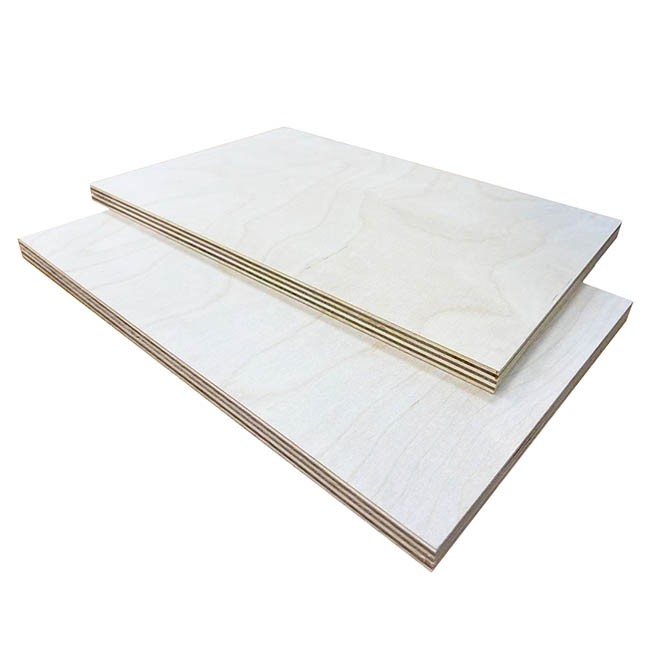
Birch plywood is made from a highly durable hardwood. This type of plywood has fine-grained wood properties and can limit warping, blistering, and twisting. Birch plywood is created by laying thin sheets of wood from birch logs. Then, overlap the veneer layers and use glue and adhesives to bond them into one panel. The layers are oriented alternately, giving the plywood strength and stability.
Benefits of Birch Plywood
Strength
A big advantage of hardwood birch plywood is its superior durability compared to other types of plywood on the market. It is formed by layering three or more layers of veneer. This adds a huge amount of stability and strength to the board. You can bend Birch Plywood gently. It is also very dimensionally stable, meaning it will not deform when exposed to extreme temperatures. Some types of birch plywood are more stable than natural wood.
Safe
Birch Plywood is one of the safest types of wood when used to produce furniture or play items for children. Birch plywood does not have many sharp edges or jagged edges, the four edges of birch plywood have no flaws. It is smooth and does not crumble or crack.
Aesthetic appeal
Hardwood birch plywood is considered a type of plywood with high aesthetics. Its appearance has a certain shine and elegant, harmonious colors, creating class and elegance for the finished product. The best part is that Birch plywood allows artists to customize the final product any way they want. It can also be smoothed, or it can be left plain. Either way, you can rest assured that the finished product will still be beautiful.
Environmentally friendly
Their abundance and speed of growth mean that they cause minimal impact or destruction of biodiversity when they are cut down, making Birch plywood a great choice for sustainably sourced wood that has little impact on the environment especially when sourced from 100% FSC (Forest Stewardship Council) certified sources. Considering the rate of replacement and wide availability, we call birch plywood a renewable source of wood. We should choose this to reduce the negative impact of cutting down trees on the environment.
Resistance to warping and twisting
Birch plywood has surface stability, perfectly limiting warping and deformation. This superior type of plywood has excellent screw-holding properties because the core layers are hard birch wood versus a softer wood that can spread and loosen when screws are inserted. The layers of the core are also attractive in person and can be sanded, polished, and lacquered without any staining. This durability is essential for producing furniture that requires stability and strength, such as kitchen cabinets and wardrobes. Birch Plywood’s durability also resists the risk of twisting or warping over time.
Stains well
Birch plywood sheets are a type of plywood that can be easily stained. Birch has a close-grained texture that stains easily, creating an even finish with an eye-catching sheen. This makes it an ideal choice for joinery and cabinetry, along with high-end and sleek furniture. Birch Plywood limits cracking or splintering during the dyeing process, making it very popular with manufacturers.
Application of Birch Plywood
1.One of the most interesting uses for birch plywood is in the construction of furniture and cabinetry. Its lightness, strength, and affordability make it an excellent choice for building desks, bookcases, and other similar furniture. Birch also has a beautiful grain
that is often left exposed for a contemporary and rustic look. Its exceptional durability also makes it a good choice for building cabinets.
2. One more amazing use for birch plywood is in boat building. This type of wood is perfect for the sides of boats due to its lightness and strength. It is also easy to cut and shape, allowing builders to create custom designs. The resistance of the wood to rot and water damage makes it an ideal choice for boat-building projects.
3. A third remarkable use for birch plywood is in 3D printing. The lightness and stability of the wood make it a great choice for large-scale print projects. The layers of the plywood can be printed in different thicknesses, giving it a unique strength-to-weight ratio. 3D
printing with birch plywood also allows for a larger printing surface than many other materials, making it a great choice for large-scale projects.
4. A fourth amazing use for birch plywood is for architectural accents. Its lightness and strength make it a great choice for wall panels and ceiling accents. It can also be used to add texture and depth to interior spaces. Its light colouring also allows it to blend well with any colour palette.
5. Finally, birch plywood can be used for creating signs and displays. Its lightness and strength make it an ideal material for making signs, displays, and other decorative elements. The beautiful grain of the wood can also be used to create unique visuals that attract the eye.
Selecting the log
The initial step in manufacturing plywood is selecting the logs. Logs are chosen according to its physical properties. Maturity, straightness, and roundness are the most critical factors to be considered in selecting raw logs. Plywood manufacturers also ensure that all raw logs used in plywood come from a legal source and sustainable forest concession,best plywood for outdoor use.
Submerging logs in water over a period helps to peel and cut down logs into various sizes easily. Some other mills, especially in cold places use heat as a way to improve the quality of peeling.
Debarking
The second step is the debarking process. Logs are feed into a debarking machine. Just like shown in the picture. As the logs rotate from the ridged wheels, the cutting head on the track is reversely rotating with the log from end to end, causing the bark to be removed. The purpose of this is to peel the bark without damaging the wood.
Cutting the logs
After the debarking process, the logs are cut into desired lengths in step known as bucking. This process is done so that the next operation which is peeling the bark can be efficiently executed.
Peeling the logs
The next step is the peeling process. The markings in the log made by the debarking knives during the debarking process are removed using a substantial rotary lathe. The log revolves on the machine against a long blade cutter. The cutting process is like sharpening a pencil except that the blade is parallel with the log at the time of cutting.
Making a continuous ribbon of wood
After peeling, the next method to be done is creating a continuous ribbon of wood. The log rotates and feeds towards the cutting edge of the lathe creating continuous and unwounded thin layers of wood. The thickness of the veneer depends upon how it is used.
Cutting and stacking
The piece of wood is cut to a standard size of 4’ x 8’plywood. The ideal thickness of plywood range from 1/4” to 3¼’, but the actual thickness of the plywood after production is determined after the sheets are pressed and glued together. The sheets are automatically scanned as it comes up in the peeler. After scanning, it is stack in preparation for transferring and drying using drying ovens.
Gluing the wood
After cutting and stacking, the next step is sticking the sheets of veneer together. This is done to determine the desired thickness of the plywood sheets. The commonly used adhesive in manufacturing plywood are those synthetic plastics such as phenol – formaldehyde or urea resins. The thin sheets of wood run through the gluing machine. As the sheet pass through, the glue is spread evenly on the back and face of the veneer. The glued veneer is placed on top of unglued veneer, then followed by glued veneer. The process is alternating: glued, unglued, glued, unglued and so on.
Cold Pressing the board
After doing he glued and unglued alternating process, the sheets which are glued together is pressed using a hot press machine to attain the desired thickness of plywood. An example of this pressing machine is the hydraulic or pneumatic pressing machine wherein pressure, or sometimes heat and pressure are applied to the plies. When heat is applied, the glue hardens quickly and then solidifies as the combined veneer is pressed together. The plywood is considered dry once the pressure is released burnt plywood flooring.
Hot Pressing (Daylight Press)
This part of the production process is where the actual panels begin to take shape. Multiple panels are loaded into the daylight press. The Daylight Press then compresses and maintains heated pressure on the boards for a long period of time. This creates and maintains required contact between the glue and veneers. It also decreases tension in the glue line and the thickness of glue layer.
Trimming, Sanding, and Finishing
The sheet will undergo processes to make it presentable and saleable in the market. These methods include trimming, sanding, and finishing. Because of these processes, the sheets takes down into standard sizes which meet the needs of the customers. Also, these processes are the reason why plywood seen in the market has smooth edges and texture. Each finished plywood products have the desired quality grade based on the requirement of U.S Commercial Standard CS – (35 – 36) (Wood 468). These quality grades are indicated by letters A to C which A is the highest, and C is the lowest.
Quality control
The final product has to be assessed for quality but it wouldn’t be very efficient just to wait until the end of the process to find a large problem with production. For this reason, mills control their production by carrying out a number of tests on different sections of the production process e.g. testing moisture levels, formaldehyde release, durability, wickes ply etc.
Components of Birch Plywood
Birch plywood is made from thin layers of birch veneer, with the grain of each layer perpendicular to the grain below, bonding the layers together with an adhesive and exposing them to heat and pressure. The resulting product is a strong, durable and attractive material that is ideal for a wide range of applications and an environmentally responsible choice.
How to Maintain Birch Plywood


Avoid exposure to moisture
To ensure the longevity of birch plywood, it is essential to avoid prolonged exposure to moisture, which can compromise its structural integrity and insulation properties.
Moisture is the primary enemy of birch plywood, as it can lead to warping, delamination, and mold growth, reducing its effectiveness in insulation. To protect it, always store the plywood in a dry environment with proper ventilation. Seal the edges and surfaces with a high-quality finish or sealant to create a barrier against moisture. Regularly check for any signs of water damage and promptly address any issues to prevent further harm to the plywood. By taking these precautions, you can maximize the durability and performance of birch plywood.
Regular cleaning and maintenance
Regular cleaning and maintenance routines are crucial for preserving the smooth surface and quality finish of birch plywood, ensuring its longevity and visual appeal.
1.To maintain the smooth surface of birch plywood, it is recommended to avoid using harsh chemical cleaners that can damage the wood’s natural beauty. Instead, opt for a mild soap and water solution applied with a soft cloth or sponge.
2.Regular dusting with a soft, lint-free cloth can help prevent the build-up of dirt and grime, keeping the surface looking pristine. It’s also beneficial to periodically apply a high-quality wood polish or wax to nourish the wood and maintain its luster, further safeguarding its visual appeal for years to come.
Proper storage and handling
Proper storage and handling practices are essential for birch plywood to prevent damage and ensure its structural stability, especially in woodworking workshops and storage areas.
When storing birch plywood, it is important to keep it in a dry and well-ventilated area to prevent moisture absorption and warping. Stacking the plywood sheets evenly and supporting them with spacers between layers can help maintain their flatness. It is advisable to store the plywood flat rather than leaning it against walls to prevent bending. Regularly checking the storage area for any signs of water leaks or humidity changes is crucial to avoid any potential damage. By implementing these practices, woodworkers can prolong the lifespan and quality of birch plywood in their workshop environment.
Finishing and sealing
Applying appropriate finishing and sealing techniques to birch plywood is crucial for enhancing its appearance, protecting it from environmental factors, and ensuring long-lasting durability.
Painting birch plywood is a popular choice for adding color and vibrancy to the surface while providing a protective barrier against moisture and wear. Staining, on the other hand, enhances the natural grain of the wood, creating a rich and warm finish. Both painting and staining are effective ways to customize the look of the plywood while safeguarding it from damage. Using clear coats or varnishes can add a glossy sheen and further protect the surface from scratches and stains, increasing its resilience and longevity.
When it comes to finding the right birch plywood, there are various things to mull over. The right plywood can make any project, from a cabinetry job to a boatbuilding project, easier, more efficient, and more attractive. As such, it is essential to take the right steps to make sure you opt for the best possible birch plywood for your specific needs.
To begin, it is important to understand what birch plywood is and the way it differs from other types of plywood. Birch plywood is a type of specialty plywood with an even and consistent cross-graining pattern. This is achieved by layers of birchwood veneer that are glued together and then rotated with each successive layer. The result of this rotation is an incredibly strong and stable plywood.
When it comes to obtaining birch plywood, the first step is to find out what you need the plywood for and select a plywood thickness that will best meet your project’s requirements. Thinner birch plywood is best suited for smaller, less load-bearing projects such as birdhouses, while thicker birch plywood is more suitable for larger, heavier projects such as cabinetry work.
When selecting birch plywood, it is also important to consider its quality. Look for plywood certified by the American Plywood Association (APA). This certification makes sure that the plywood you’ve purchased conforms to the highest quality standards. If the plywood you’re looking at is not certified by the APA, you may want to consider a different supplier.
Be sure to inspect the plywood you buy to make sure the pieces are straight and free of any defects. You do not want to be left with warped or split boards that will not work for your project. It is also a good idea to check the edges and faces of the plywood for any defects or imperfections.
By following these steps, you can be sure you are purchasing the right birch plywood for your project. This will save you time, money, and energy in the long run and help ensure the successful completion of your project.
FAQ
We're well-known as one of the leading birch plywood suppliers in China. Please rest assured to wholesale cheap birch plywood made in China here from our factory. All customized products are with high quality and competitive price. Contact us for more details.
knotty alder cabinets, small single sink vanity, wall mounted pantry cabinet