


Base Cabinet
A base cabinet is the one designed to sit under the countertop of a kitchen or bathroom. Base cabinets are the largest storage area of a cabinet system with a typical depth of 24 inches. When purchasing kitchen base cabinets, it is best to look for cupboards that are sold with the base as an accompanying set. The base cabinets of a kitchen are the storage foundation for the entire room and will play a dominant role in the overall décor.
Advantages of Base Cabinet
Storage
The most obvious advantage of kitchen cabinets is storage. Cabinets provide a convenient space to store your cookware, dishes, appliances, and food. With proper organization, you can maximize your cabinet space and make your kitchen more efficient. No longer will you have to sift through stacks of mismatched items to find what you need. Kitchen cabinets allow you to keep everything in its place so that you can quickly find and retrieve what you need.
Layout
Kitchen cabinets also play a significant role in the layout of your kitchen. You can choose from a variety of cabinet styles, including wall-mounted, corner, and base cabinets. By selecting the right combo, you can create a highly functional kitchen layout that caters specifically to your needs, while boosting your home's overall aesthetic appeal.
Durability
Kitchen cabinets are built to last. They are made of high-quality materials that can withstand the wear and tear of daily use. This means that you won't have to worry about replacing your cabinets for many years. Kitchen cabinets also come with easy-to-use hardware, such as handles and hinges, which are designed for long-lasting performance.
Why Choose US
Our Factory
Jiangsu Dilun International Trading Company is a woodworking company founded in Xuzhou in 2011 and moved to Nanjing in 2019. We specialize in exporting plywood panels, kitchen cabinets & bathroom vanities, and furniture hardware.
Rich Experience
We strive to offer the best products at the most competitive prices. Our experienced staff is dedicated to providing our customers with the best possible service and value.
Our Product
We are proud to offer a wide range of products, including kitchen cabinets, bathroom vanities, wooden crafts, and plywood. We also specialize in custom-made furniture and panel products, allowing our customers to design the furniture of their dreams. Our team of experienced designers and craftsmen is always available to help you create the perfect piece for your home or office.
Our Service
We take pride in our commitment to quality, value, and customer service. Our goal is to provide our customers with the best experience possible and to ensure that they are completely satisfied with their purchases. We strive to provide our customers with the highest quality products while offering competitive prices.
-
![B09 Cabinet]() Add to Inquiry
Add to Inquiry -
![B12 Cabinet]() Add to Inquiry
Add to Inquiry -
![B15 Cabinet]() Add to Inquiry
Add to Inquiry -
![B18 Cabinet]() Add to Inquiry
Add to Inquiry -
![B21 Cabinet]() Add to Inquiry
Add to Inquiry -
![B24 Cabinet]() Add to Inquiry
Add to Inquiry -
![B27 Cabinet]() Add to Inquiry
Add to Inquiry -
![B30 Cabinet]() Add to Inquiry
Add to Inquiry -
![B33 Cabinet]() Add to Inquiry
Add to Inquiry -
![B36 Cabinet]() Add to Inquiry
Add to Inquiry -
![DB12 Cabinet]() Add to Inquiry
Add to Inquiry -
![DB15 Cabinet]() Add to Inquiry
Add to Inquiry


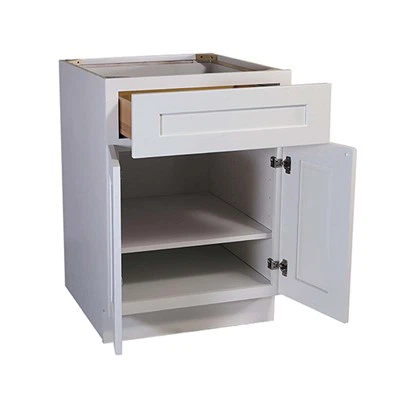

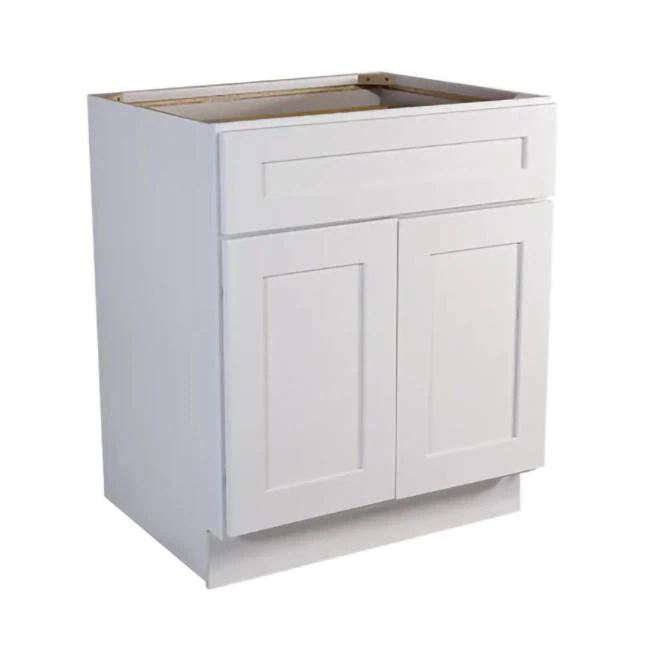
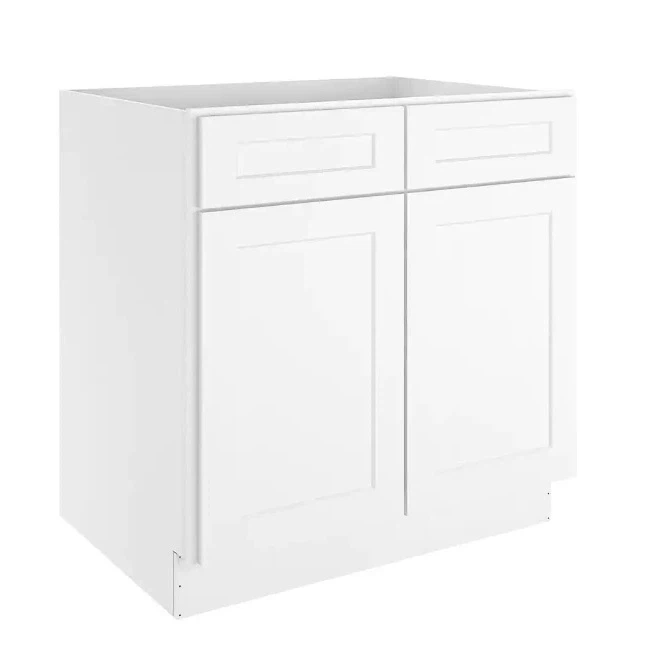
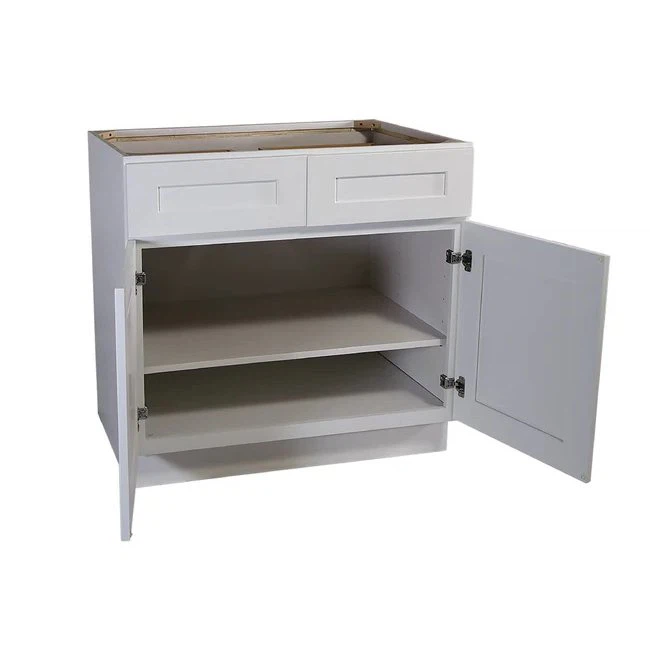
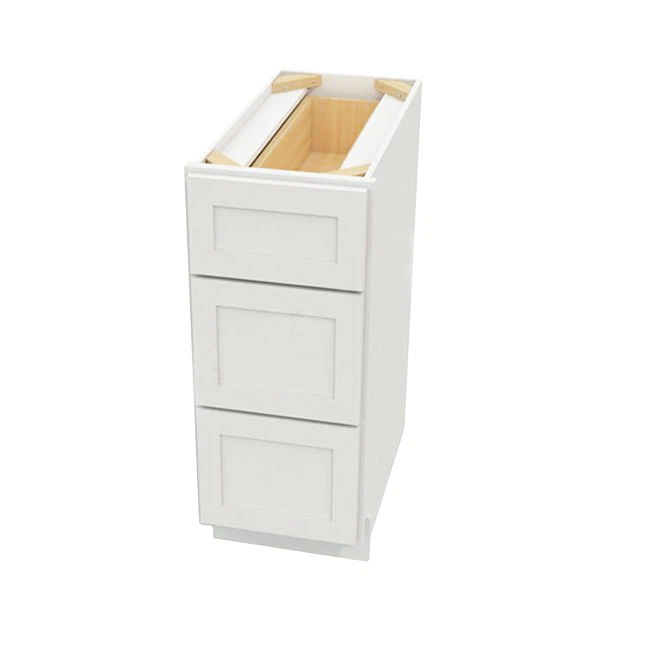
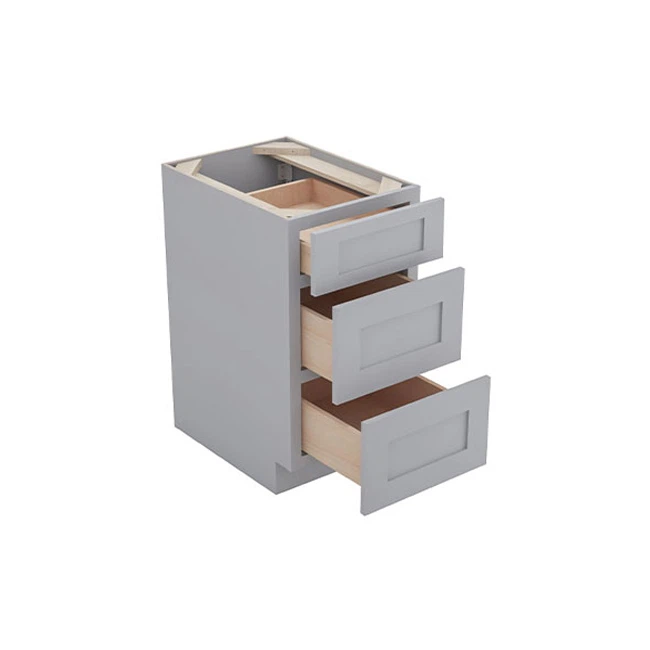
There are several types of base cabinets often used in a kitchen, including:
Sink base cabinet: This type of base cabinet is meant to support a kitchen sink. It will usually feature two false-front drawers, as well as two large doors at the bottom that provide access to plumbing and other sink-related items.
Corner base cabinet: As the name implies, this type of base cabinet is designed to fit into a corner. It will usually feature two doors and one false-front drawer, providing easy accessibility to its contents regardless of the angle from which it is viewed.
Drawer base cabinet: This type of base cabinet offers storage in the form of multiple drawers rather than shelves. It is often used to store lightweight items such as utensils and cleaning supplies.
Door-and-shelf base cabinet: As the name implies, this type of base cabinet combines shelves behind doors with drawers or a false-front. This allows for multiple types of storage to be located in one space.
Door-and-drawer base cabinet:
Down related lines, this type of base cabinet combines drawers behind doors with shelving or a false-front. It is a great way to store bulkier items while still keeping them organized and accessible.
Pantry base cabinet:
This type of base cabinet is designed for larger items that need more space, such as pots and pans. It will typically feature one large door and two or three shelves.
Oven base cabinet:
Finally, this type of base cabinet is designed to house a large oven. It usually features two doors and may have adjustable shelves.
How to Decide Between Light or Dark Kitchen Cabinets
Kitchen Size and Natural Light
If you have a small kitchen or one with limited natural light, light-colored cabinets can help create a sense of spaciousness and brightness. They reflect light better and make the room feel more open. In contrast, dark cabinets can make a larger kitchen with ample natural light feel cozy and inviting.
Style and Ambiance
Consider the style and ambiance you want to achieve in your kitchen. Light cabinets often lend themselves to a more traditional and airy feel, while dark cabinets can evoke a sense of luxury and sophistication. Your choice should align with your personal taste and the overall design of your home.
Maintenance and Visibility
Light cabinets tend to hide dirt and stains better than dark ones, making them a practical choice for households with young children or high traffic. Dark cabinets, on the other hand, may require more frequent cleaning to maintain their pristine appearance.
Color Coordination
Think about the color palette of your kitchen as a whole. Light cabinets can easily blend with a wide range of colors, allowing for more flexibility in choosing countertops, backsplashes, and flooring. Dark cabinets may require more careful consideration to ensure a harmonious look.
Basic Tips on How to Install Kitchen Cabinets
Basic cabinet inspection
Before you ever get started with the installation process, it's important to inspect your cabinets and make sure everything is in good shape. Check for any damaged or missing pieces, as well as any potential defects that may have occurred during shipping. You'll also want to make sure you have all necessary parts and hardware included before beginning.
Preparing the space
Once you've inspected your cabinets and confirmed they're ready for installation, it's time to prepare the space where they will be installed. This includes removing any old cabinets or debris from the area and making sure the walls are clean, smooth, and level. Any unevenness can cause issues with the installation, so it's important to address this beforehand.
Marking and measuring
Next, you'll want to carefully measure and mark where your cabinets will be installed. This includes marking the stud locations on the walls, as well as measuring for any necessary cuts or adjustments that may need to be made to accommodate appliances or other features in your kitchen.
Finding floor's highest point
As you're measuring and marking, it's important to find the highest point on your kitchen floor. This will serve as a baseline for your cabinet installation, ensuring that everything is level and properly aligned.
Find wall studs
For any wall cabinets being installed, it's crucial to find and mark the studs in the wall. This is where the cabinets will be securely attached and provides the necessary support for heavy items stored inside.
Ensuring proper hardware
Before you begin installing the cabinets, make sure you have all the necessary hardware and tools. This includes screws, brackets, and any other necessary pieces to securely install your cabinets.
Corner installation
If you have any corner cabinets in your kitchen, it's best to start with these first. This will help ensure proper alignment and spacing for the rest of the cabinets.
Hanging wall cabinets
Next, you'll want to hang your wall cabinets according to your marked measurements and using the necessary hardware. Be sure to check for levelness and make any necessary adjustments as you go.
Installing base cabinets
Once your wall cabinets are securely installed, you can move on to installing base cabinets. These should be installed directly on top of the floor's highest point, which you previously marked.
Finishing touches
After all your cabinets are securely installed, it's time to add any finishing touches. This may include adding trim pieces or attaching cabinet doors and hardware.
Final check
Once everything is in place, take a step back and do one final check for levelness and overall appearance. Make any last-minute adjustments if needed before enjoying your newly installed kitchen cabinets.
Plywood
The best choice for cabinet materials out there is plywood. Our quality cabinets have all plywood boxes, making them perfect for everyday use in your kitchen and your bathroom. It's also very versatile. Cabinets made from plywood can come in a variety of different colors, and they look great with all different types of hardware. No matter if they're your kitchen cabinets or put in your bathroom, plywood cabinets are the best option.
Hardwood
Hardwood cabinets are very traditional. Many older homes have all hardwood cabinets.
Hardwood cabinets are all-natural. If you're big into only using natural materials, hardwood is the way to go. They're also pretty durable. And because they're all natural, each panel will have a different texture and feel.
Fiberboard and Particle Board
Fiberboard and particle board are two other types of wood from which cabinets can be made. While there are some advantages to both types of cabinet material, overall they're not the best choice.
While both can be durable if you use high quality materials, they don't stand up well to overfilling. Heavy items will cause the cabinets to sag and potentially break. Particle board is particularly susceptible to degradation because it isn't moisture-resistant.
Because it's made of a variety of materials that are the “scraps” of others, it's not very strong. So, while particle board might be attractive for anyone who's looking to do an environmentally-friendly renovation, you'll want to make sure you purchase only high-quality particle board, which might take a large portion of your budget.
|
Plywood |
Durable Cost-efficient Moisture-resistant |
|
Hardwood |
Each panel can have own texture Durable All-natural Long lifespan |
|
Fiberboard |
Durable Warp resistant Smooth finish |
|
Particleboard |
Inexpensive High-quality is durable Great for interiors of cabinets |
Kitchen Cabinets Manufacturing Process


Cabinets Splitting List
The kitchen cabinet manufacturing process starts with the cabinets splitting list or the design. The designer finalizes the design and layout of the kitchen cabinets through CAD drawings.
The CAD drawings are sent to the production department through a software. The production department evaluates and analyzes the drawing to generate the mechanical specifications of the kitchen cabinets.
Materials Preparing
Producing good quality kitchen cabinets starts from sourcing the right materials. At present, the kitchen cabinet market is geared toward using Veneer wood and Particle Board. These materials come with hard textures and are resistant to temperature and pressure. Composite wood is a common material used in the manufacture of kitchen cabinets to make it more affordable. Another reason could be to comply with environmental requirements.
The best adhesive used in making composite wood contains small amounts of formaldehyde for durability and better performance. The use of formaldehyde, however, impacts the environment.
Cutting
A board, usually a flat plate of Middle Density Fiberboard *MDF) comes in a standard size of 2440 * 1220 or 2800 * 1300.
An electronic saw for cutting boards to their exact sizes. This allows for full automation and digital cutting.
Small manufacturers, on the other hand, still use handheld saws in the cutting process to save on costs.
Grooving
The grooving phase involves placing the right indentations to fit the panels in the panel construction, drawer bottoms, and panels in the frame. Precision equipment is used to ensure the exact grooves are made. A groove is a slot cut into a member running parallel to the grain. Grooves are used to accommodate panel construction, panels in the frame, and bottoms of the drawers. Grooves are created along the ends and/or along the sides of panels such as in groove construction and tongue.
Edge Banding
Edge banding is done to cover the raw edges of the sides of the wood to protect it against possible warping and to ensure a smooth finish. Particleboard, plywood, and MDF come with unprotected, unfinished, and unsightly edges. Edge banding is a process where a narrow strip of material is applied on the edges of the wood to create durable and beautiful trim edges. Edge banding is often made using PVC, acrylic, ABS, wood, wood veneer, or melamine.
Drilling
The drilling process in the manufacture of kitchen cabinets is the process that is most prone to error. Drilling holes in the right places is a must to ensure the proper assembly of the different components of the kitchen cabinet. Kitchen cabinet boards need to have structural and system holes punched on them. Structural holes are made on the side panels. System holes are those made on all other panels except the backplane.
PVC Vacuum
This process is done after the cabinet doors have been shaped. This process prepares every door panel for gluing and PVC finish application.
In the PVC Vacuum process, the door panel undergoes grinding and spraying. The door panel is then fed into the PVC door making a vacuum membrane press machine for the application of the PVC finish. A 0.035 mm PVC thickness will make the cabinet door durable enough to last about 15 years.
Lacquered
The lacquered process is a complicated process. This stage involves a lot of steps and is always done manually. It is, therefore, necessary to have the most experienced workers and equipment in this manufacturing process.
The panels are polished and the edge of the panels is sealed with a primer. The base coat is applied and allowed to dry. Sanding is then done.
Quality Inspect
Quality inspection is done to test that every sheet has been cut, sealed, and drilled based on the right specifications. Quality inspection is also done to check for any production errors so modification and re-production can be done prior to delivery. Quality inspection is done to save on time transportation expenses.
Cabinet Care
With proper care, your cabinetry should provide a lifetime of use and satisfaction. Proper care involves attentive cleaning, polishing and careful avoidance of damaging household cleaners. The beauty of wood is in the variation in graining and hue. Because wood is a natural product, it has inherent variation. This variation includes many natural characteristics as a result of tree growth patterns, as well as differences in wood color and grain due to variations in forest growing conditions. We apply and then hand wipe our stains to bring out the natural character and sheen of the wood.
Upon Installation
Wipe the cabinets clean with a soft, damp cloth and dry immediately with another clean, soft cloth. Always wipe in the direction of the wood grain. Apply a thin coat of high-quality polish. Choose a polish that does not contain silicone or wax, and follow the manufacturer’s directions for application. A high-quality polish will aid in protection from minor scratching, staining, and excessive moisture.
Basic Cabinet Cleaning
Grease and grime buildup can damage cabinets and destroy the look and feel of a new kitchen. To remove buildup wipe down cabinets using a soft cloth dampened with warm water and do so at least once every two weeks or more often depending on the amount of activity that takes place in the kitchen. If water alone does not clean cabinets completely, mix a little mild dishwasher soap with the water. Wipe down wood cabinets in the direction of the grain. Use a soft cloth to remove any residual moisture that may be left on the cabinets.
If routine cleaning does not remove stains or built-up grime, create a paste by mixing baking soda with water. Place the paste on a sponge and scrub the stain until it disappears. Rinse with water and dry with a soft cloth. A mix of vinegar and water is another option for removing sticky grime or film from kitchen cabinets.
Repairing Nicks and Scratches
We typically provide a touch-up kit to our clients so they can maintain the beauty of their kitchen. If you have recently updated your kitchen and did not receive a touch-up kit, ask the showroom to obtain one on your behalf.
Wipe Spills Promptly
Many substances become difficult to remove and may stain or cause other damage upon prolonged contact. If a spill occurs, wipe it promptly with a damp cloth or sponge and dry the surface immediately. Use a blotting action rather than a wiping action to remove the substance.
Avoid Excessive Moisture
This is one of the worst enemies of any finish. Cabinetry near the sink and dishwasher and baseboards are most susceptible. Dry off any areas immediately where water has spilled. Avoid draping dish towels or other wet items over doors or placing coffee makers where steam vents directly onto cabinet surfaces.
Avoid Temperature And Humidity Extremes
Extremes in temperature and humidity can cause wood to expand and contract, swell or warp, and dry out– possibly damaging the finish of your cabinetry. It is important to control the temperature and humidity in your home all year long. You should allow minor warping to go through one heating cycle before considering replacement.
Avoid Light Damage
Direct exposure to Colorado sunlight can have a damaging effect on your cabinets especially those made from natural wood. Painted wood cabinets and laminated or Thermofoil surfaces also are susceptible to fading from prolonged exposure to direct sunlight. Use window coverings to help reduce or eliminate damage caused by exposure to direct sunlight.
Avoid Exposure To Harsh Cleaners
Harsh cleaners can damage the finish of your cabinetry. Avoid cleaners containing ammonia, bleach, citric acid (including orange and lemon oil) and organic solvents.
Avoid Exposure To Waxes
Most common self-polishing waxes can damage your finish. Take care to use only high-quality cream furniture polishes available from high-end furniture or paint stores.
Guard Against Scratching And Abrasion
Clean with a soft, damp cloth when necessary. Avoid using scouring pads and abrasive cleaners as they may dull fine finishes.
Guard Against Plastic And Rubber
Use felt or cloth under plastic or rubber objects as their ingredients may react with wood countertops.
FAQ
We're well-known as one of the leading base cabinet suppliers in China. Please rest assured to wholesale cheap base cabinet made in China here from our factory. All customized products are with high quality and competitive price. Contact us for more details.
cherry wood kitchen cabinets, l shaped kitchen cabinets, cherry kitchen cabinets